




Planning your first trip abroad feels exciting and a little overwhelming at the same time. New cultures, new food, new languages, and a whole map of possibilities await you. But between passports, visas, flights, and budgets, it’s easy to feel lost before you even leave home.
That’s exactly why this international trip planning guide exists. Whether you’re dreaming of beaches in Thailand, cafés in Paris, or ancient ruins in Peru, this walkthrough breaks everything down into simple, manageable steps. By the end, you’ll know exactly how to plan an international trip with confidence.
Let’s get you ready for the adventure of a lifetime.
Why Your First Trip Abroad Matters
Traveling internationally changes the way you see the world. You learn to adapt, solve problems on the fly, and connect with people from different backgrounds. It builds memories that last far longer than any souvenir.
But a smooth trip starts with smart preparation. The more you plan upfront, the more relaxed you’ll feel once you’re standing in a foreign airport. These travel tips for first-timers will help you avoid common mistakes and enjoy every moment.
Step 1: Choose the Right Destination
Picking where to go is the fun part, but it’s also where many beginners feel stuck. Focus on destinations that match your comfort level, interests, and budget.
Questions to Ask Yourself
- What’s my budget? Some countries stretch your money further than others.
- How much time do I have? A long-haul flight may not suit a short trip.
- What experiences do I want? Beaches, history, food, nightlife, or nature?
- How adventurous am I? First-timers often feel more at ease in tourist-friendly countries.
Great Destinations for Travel Abroad for Beginners
If you’re nervous about your first international trip, these places are welcoming, safe, and easy to navigate:
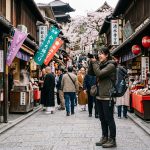
- Japan – Clean, safe, and incredibly organized.
- Portugal – Affordable, friendly, and full of charm.
- Thailand – Budget-friendly with amazing food and beaches.
- Costa Rica – Perfect for nature lovers and English is widely spoken.
- Italy – Rich history, iconic food, and easy tourist routes.
Pick one destination for your first trip. Trying to squeeze in too many countries often leads to stress and burnout.
Step 2: Sort Out Your Passport and Visa Requirements
This is one of the most important parts of any international trip planning guide. Skip it, and your trip could end before it begins.
Getting Your Passport
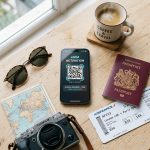
If you don’t have a passport yet, apply early. Processing can take several weeks, sometimes longer during busy seasons. Already have one? Check the expiration date. Many countries require your passport to be valid for at least six months beyond your travel dates.
Understanding Visa Rules
Visa requirements depend on your nationality and destination. Some countries let you enter visa-free, others offer visa-on-arrival, and some require you to apply in advance.
Here’s what to do:
- Check the official embassy or government website of your destination.
- Confirm how long you can legally stay.
- Apply for any required visa well before your departure date.
- Keep digital and printed copies of all documents.
Never rely on outdated blog posts for visa rules. Always verify with official sources, since policies change often.
Step 3: Set a Realistic Budget
Money worries can spoil a trip fast. A clear budget keeps you in control and helps you enjoy the journey without stress.
Break Down Your Costs
When budgeting for your first international trip, account for these categories:
- Flights – Often your biggest expense.
- Accommodation – Hotels, hostels, or vacation rentals.
- Food and drinks – Research average meal prices at your destination.
- Transportation – Trains, taxis, buses, or rental cars.
- Activities – Tours, museums, and experiences.
- Travel insurance – A small cost that saves you big.
- Emergency fund – Always keep a buffer for surprises.
Money-Saving Tips
- Travel during shoulder season for lower prices and fewer crowds.
- Use a travel rewards credit card with no foreign transaction fees.
- Notify your bank before you travel to avoid frozen cards.
- Carry a mix of local cash and cards.
A helpful trick: add 15% to your total estimate. Unexpected costs always pop up, and a cushion keeps you calm.
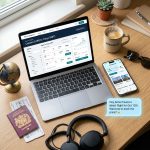
Step 4: Book Flights the Smart Way
Booking flights early usually saves money, but timing and strategy matter too.
Tips for Finding the Best Flights
- Compare prices using flight search engines and set price alerts.
- Stay flexible with dates, since midweek flights are often cheaper.
- Book 2 to 3 months ahead for international routes.
- Consider nearby airports for better deals.
- Clear your cookies or use incognito mode when searching repeatedly.
Double-check your layover times. A super short connection risks a missed flight, while a very long one wastes your day. Aim for balance.
Step 5: Choose the Right Accommodation
Where you stay shapes your whole experience. Think about location, comfort, and safety when booking.
Types of Accommodation
- Hotels – Reliable, comfortable, and full of amenities.
- Hostels – Budget-friendly and great for meeting other travelers.
- Vacation rentals – Ideal for longer stays or group trips.
- Guesthouses – Cozy, local, and often affordable.
What to Check Before Booking
- Read recent reviews from real guests.
- Confirm the location is safe and close to public transport.
- Check the cancellation policy.
- Look for free extras like Wi-Fi or breakfast.
Booking your first night in advance is a smart move. Arriving in a new country with a confirmed bed removes a huge layer of stress.
Step 6: Get Travel Insurance
Many first-time travelers skip this, and it’s a costly mistake. Travel insurance protects you when things go wrong, and abroad, small problems can get expensive fast.
What Good Travel Insurance Covers
- Medical emergencies and hospital visits
- Trip cancellations or delays
- Lost or stolen luggage
- Emergency evacuation
Compare a few providers and read the fine print. Make sure the coverage matches your activities. If you plan to hike, dive, or ski, confirm those are included. The peace of mind is worth every penny.
Step 7: Pack Smart With an International Travel Checklist
Overpacking is the classic beginner mistake. You end up hauling heavy bags you barely use. Pack light, pack smart, and stick to the essentials.
Your International Travel Checklist
Documents
- Passport and visa
- Printed and digital copies of bookings
- Travel insurance details
- Emergency contacts
Money and Tech
- Debit and credit cards
- Some local currency
- Universal power adapter
- Phone, charger, and portable battery
Clothing
- Weather-appropriate outfits
- Comfortable walking shoes
- A light jacket or layers
- One versatile dressy outfit
Health and Toiletries
- Prescription medications
- Basic first-aid items
- Travel-sized toiletries
- Sunscreen and hand sanitizer
Extras
- Reusable water bottle
- Day bag or backpack
- Snacks for travel days
- A downloaded offline map
Roll your clothes to save space, and always leave a little room for souvenirs. A packing cube system keeps everything organized and easy to find.
Step 8: Stay Safe and Healthy Abroad
Safety should never be an afterthought. A few smart habits keep your trip smooth and worry-free.
Essential Safety Tips for First-Timers
- Research local scams so you can spot them quickly.
- Keep valuables secure with a money belt or hidden pouch.
- Share your itinerary with a trusted friend or family member.
- Save emergency numbers for your destination.
- Stay aware in crowded tourist areas where pickpockets work.
- Trust your instincts and leave any situation that feels off.
Health Preparations
- Check if you need any vaccinations before you travel.
- Pack enough medication for your whole trip, plus extra.
- Drink bottled or filtered water where tap water isn’t safe.
- Learn a few basic phrases in the local language.
A little cultural awareness goes a long way too. Learn local customs around tipping, dress codes, and greetings. Locals appreciate the effort, and it makes your trip richer.
Step 9: Prepare for Travel Day
The big day is here. A few final steps make your departure smooth and stress-free.
- Arrive at the airport at least 3 hours early for international flights.
- Keep your passport and boarding pass easy to reach.
- Download entertainment and offline maps in advance.
- Stay hydrated and move around during long flights.
- Set your watch to the destination’s time zone to beat jet lag.
Once you land, follow airport signs to immigration, have your documents ready, and take a breath. You made it.
Common Mistakes to Avoid on Your First International Trip
Even with good planning, beginners slip up. Watch out for these:
- Overplanning every hour – Leave room for spontaneous adventures.
- Ignoring baggage rules – Airlines charge steep fees for oversized bags.
- Forgetting to notify your bank – Frozen cards ruin the fun.
- Underestimating jet lag – Give yourself time to adjust.
- Skipping travel insurance – Never worth the risk.
Learning from these first international trip tips saves you money, time, and stress.
Your Adventure Starts Now
Planning your first trip abroad doesn’t have to be scary. Break it into steps, tackle one thing at a time, and soon you’ll have everything in place. From choosing a destination to packing your bags, each decision brings you closer to an unforgettable experience.
The world is huge, beautiful, and waiting for you. With this international trip planning guide in hand, you’re ready to explore it.
Ready to take the leap? Start by picking your dream destination today, then bookmark this guide and work through each step at your own pace. Subscribe to our newsletter for more travel tips for first-timers, insider destination guides, and money-saving hacks delivered straight to your inbox. Your next great adventure is just one plan away, so start today and make it happen.