







Travel in 2025 wasn’t just about buying a ticket to somewhere. Travelers looked for quieter experiences, meaningful connections, cooler temperatures and smarter trip-building solutions. According to a report from BBC Travel Trends, the biggest travel trends for the year were, for the most part, a reaction to tech overload, over tourism and a desire to enjoy a real refresh, recharge, and return home feeling different and hopefully better. Seven top travel trends for 2025 are here.
1. Noctourism Brought Destinations to Life After Dark
Night tourism refers to an industry that attracts tourists not during the day but night. Since the origin of the conception of time, people have been charmed with the night. Everything interesting happens around this time of the day and you will see why. as.
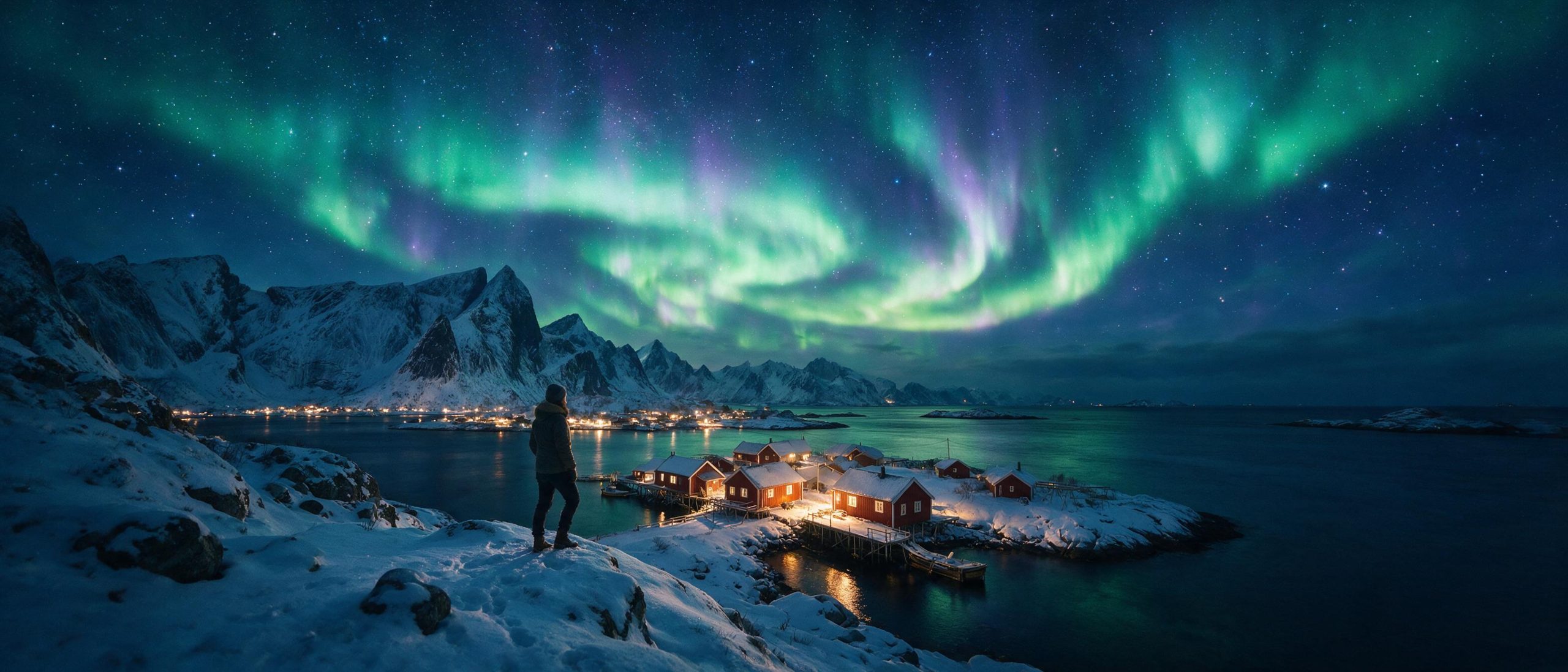
The warmer temperatures of home, smaller crowds and a different view of familiar destinations drew buyers to the northern locations like Iceland, Finnish Lapland, Svalbard and Norway’s Lofoten Islands. The attraction of noctourism phenomena such as the aurora borealis.
2. Calm cations Made Rest the Main Attraction
The concept of calling holidays as “calm cations” emerged as a result of pandemic stress. People started shunning extensive holiday plans and instead started booking “calm cations”, holiday meant around tranquility, sleep and relaxation. Travelers started to look for cabins without internet, remote coastal accommodation, wellness classes and quiet natural settings where they could switch off and detach themselves from notifications and everyday pressure. According to my experience, a calm cation is unlike a sightseeing holiday as it is dedicated to physical and mental recuperation.
3. Artificial Intelligence Became a Travel Companion
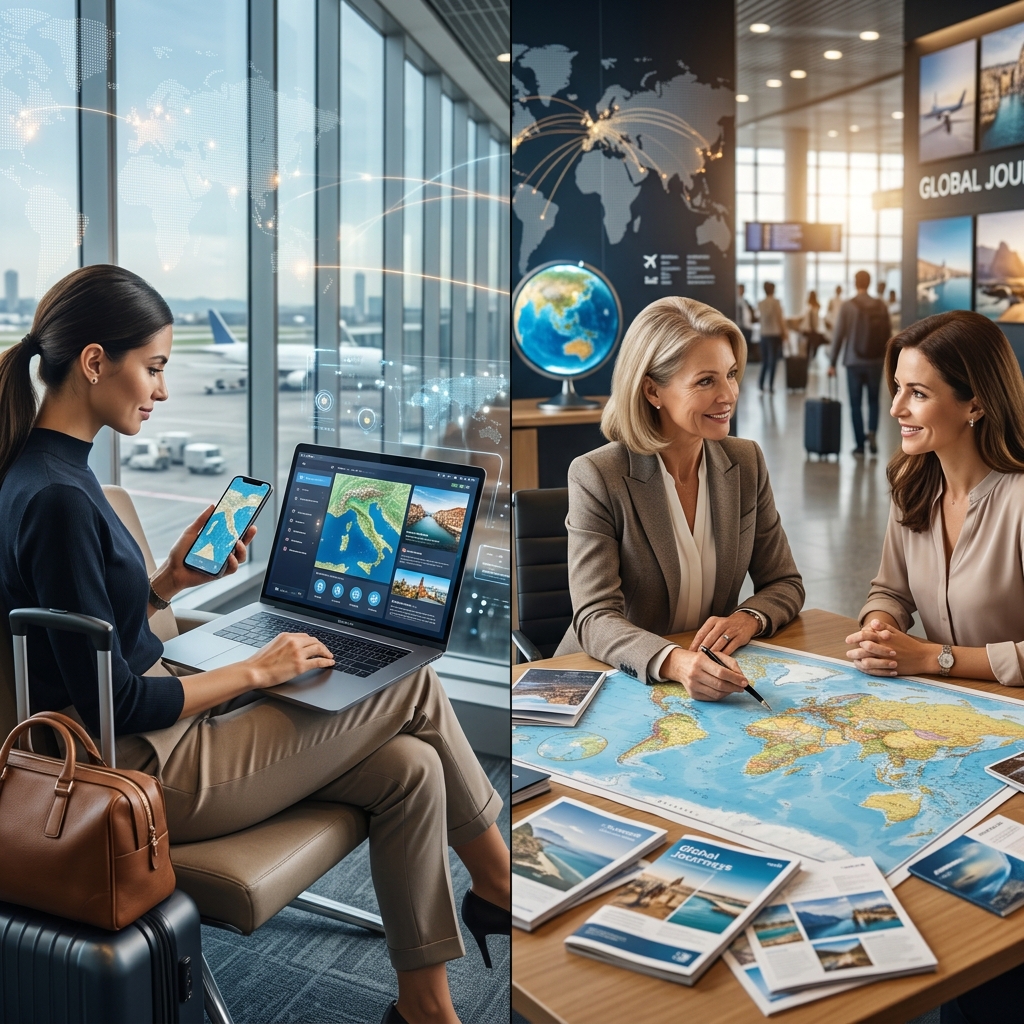
Over the last few years, AI has indeed revolutionized the travel industry. Travelers are using AI-based tools to get expert advice and assistance while planning trips. Travel agents experimented with artificial intelligence for services like baggage handling. However, technology didn’t override human judgment. AI can help the modern traveler plan their itinerary but checking local tips, booking policies, and trusted advice is still a must.
4. Real-Life Connections Returned
After years of communication through digital means and online dating, many travellers became interested in physical encounters.
Holidays for singles and for solo leisure travellers such as solo tours, small group holidays, social hostels and activity-based holidays create the perfect environment for friendship (and possibly romance).
Moreover, cooking classes, hiking groups, and cultural tours help facilitate connections among participants.
Despite the restrictions imposed by the pandemic, travelling offered an important human touch.
5. Lesser-Known Destinations Gained Attention
6. Coolocations and Off-Season Travel Grew
The extreme heat of summer has affected popular holiday destinations, as many are travelling off-season or to cooler places.
The first noticeable affect on the travel and tourism industry is the change in destination by travellers. For instance, Mediterranean beaches that were once crowded became unpopular and were unexplored new areas in northern Europe, in mountain areas, and at lake sites. Likewise,
As per Coolocations, the weather not only influences what people travel to but also when.
7. Nostalgia Travel Offered Comfort
Thanks to nostalgia tourism, travelers and tourists can reconnect with music that was enjoyed in their youth and other phases.
During this period, pulls for retro-road trips, adult summer camps, camping holidays and concert-related journeys. Comforting familiar experiences helped the millennial to deal better with uncertainties. Evidence of nostalgia travel suggested that returning to a destination with established memories might be as revitalizing as visiting a new location.
Final Thoughts
One of the 2025 travel trends was a greater purpose, the report swore by.
There was a spike in searches for spiritually and wellness-related holidays and experiences in 2023. The most popular ones were exercise, mental health, and peace of mind.
What may drive the future of tourism? It may be far more tech and climate-driven. But the strongest driving force is still deeply human – the need to connect, recharge and see things differently.